


Summary: An historic and undeniably charming suburb that exudes affluence, Balmain is a lovely slice of land dotted with sandstone-brick buildings dating back to the origins of Sydney.
It’s got a lot of character, pockets of greenery, is packed with quality places to eat and drink given its size, and its waterfront views are stunning in many places.
Suburb Ratings:
It should be no surprise then that a prohibitive pricetag for buyers comes along with it given its tightly-held lack of housing supply, while terrible commute traffic (due to both general road layout & some planning gaffes) – plus a disconnect from the heavy rail system – hold it back from being truly ideal, however.
Key stats
Region: Inner West (Area)
Population: 10,454
Population density: 6,797.14
Postcode: 2041
Ethnic Breakdown: English, 40.8%, Australian, 27.6%, Irish, 18.3%, Scottish, 13.0%, Italian, 4.7%
Median house price: $2,457,500.00
Median apartment price: $1,365,000.00
Crime rank (out of 100; lower = safer): 17
House price/crime rate ratio: 67.73%
Time to CBD (Public Transport, mins): 30
Time to CBD (Driving, mins): 18
Nearest Train Station: Rozelle Bay (light rail)
Highlights/attractions: Thornton Park, Balmain Market, Misc. historic buildings/pubs
Median Age: 42
% Housing Commission: 6.00%
Ideal for: Retirees, professionals, small families
Balmain presents an interesting dichotomy in some ways, in that it’s somehow simultaneously one of the most gorgeous, and one of the most limited, suburbs in Sydney.
On the one hand it’s a place every visitor to, or resident of, Sydney should visit at least once. However, on the other, its high barrier to entry for those who would like to call it home means only a select few (or those willing to live in an older shoebox) will get to experience it at its best… and as a result it’s emblematic of the current Sydney wealth gap as a whole.
Topography-wise, the suburb is hilly and bordered by water, with some truly great views on offer from multiple vantage points, and its terrace-lined streets are simply a pleasure to walk down.
This is some of “old Sydney” at its best, with the designs of many of these buildings still holding up well today and each different facade giving you something interesting to look at – whether it be bright wall-climbing vines draped in colourful flowers or imaginative little front gardens that do a lot with relatively little space.
Its first highlight for most visitors will be its main thoroughfare of Darling Street, which is packed with all manner of boutique stories and eateries that are almost universally charming; if you’re the type that likes to sample a new cafe each week, or make friends with your local baker or butcher like the days of old, then this street delivers and then some.
It also boasts one of the highest quantities of pubs per capita of any suburb in the country, with several of them – highlighted by the Balmain Hotel and East Village Hotel – contained within older colonial-style buildings which give off a great atmosphere.
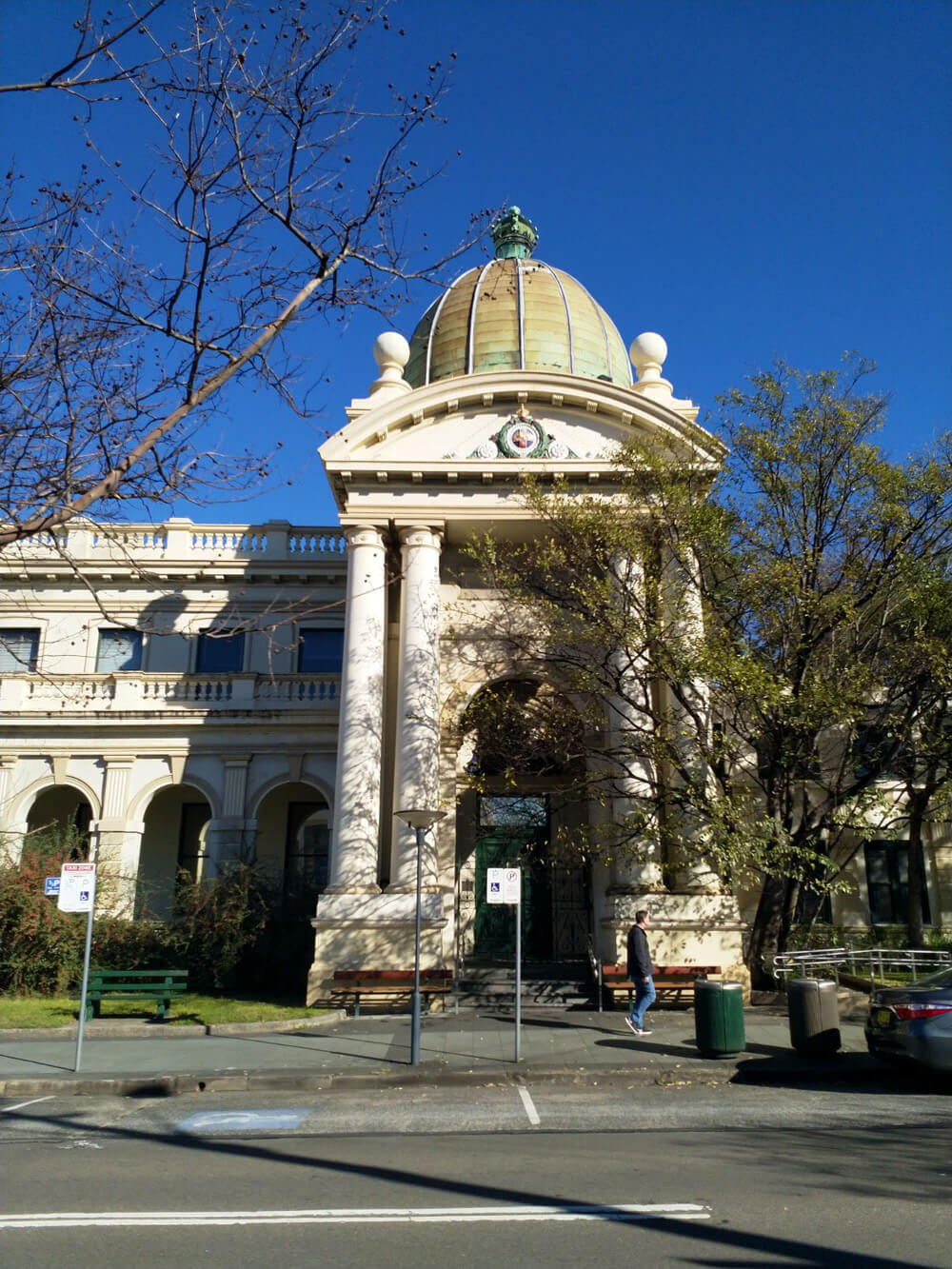
Appealing architecture is a standout throughout the suburb, as many old governmental and penal buildings constructed in that old sandstone-and-column style are lovely to look at and are a testament to just how solid their construction still remains with relatively little maintenance.
Those with pets will likewise find a lot to like about Balmain, despite the suburb itself being relatively dense.
There are several dog-friendly parks (having a picnic with the pup down at Thornton Park next to the East Balmain Wharf ferry terminal and taking in some epic water views is a must), and many of its cafes and even pubs are pet-friendly as well. The main streets do somewhat lack grassed areas for your doggo to do their business, however.
Barriers to entry
As with a number of the other appealing and affluent water-adjacent suburbs in Sydney, it’s going to be the combination of price and a lack of living space that will keep many away.
There are relatively few truly detached houses in Balmain, due to a combination of its historic use (originally mostly for lower-income dockworkers in the past), fairly steep roads, and a lack of overall surface area for construction. Add in a historic tendency to want to preserve local character/prevent higher-density development, and there’s not an immense amount of variety in housing.
As a result, terrace living is the default here, and the desirability of the area means these properties fetch a pretty penny on the market in the rare occasions they become available.
Prices for a non-apartment here have mooned even more in recent years, and now hover around the $2.5+ million mark even for those on what could be considered the ‘entry-level’ end, and it’s not uncommon for the fairly limited array of smaller apartments to go for well over $1 million as well.
Renters willing to sacrifice living space for the atmosphere may find an apartment for anywhere between $750 to around $800 while keeping things relatively modest, with newer-renovated options jumping up quickly in price accordingly.
Traffic & transport troubles
Families are serviced well for most needs, with a couple of public schools in both Balmain proper and nearby Rozelle on offer, while the suburb is largely self-contained and has most things one could need within its borders in terms of daily amenities (including a Woolworths housed in a historic building that is unusually eye-catching).
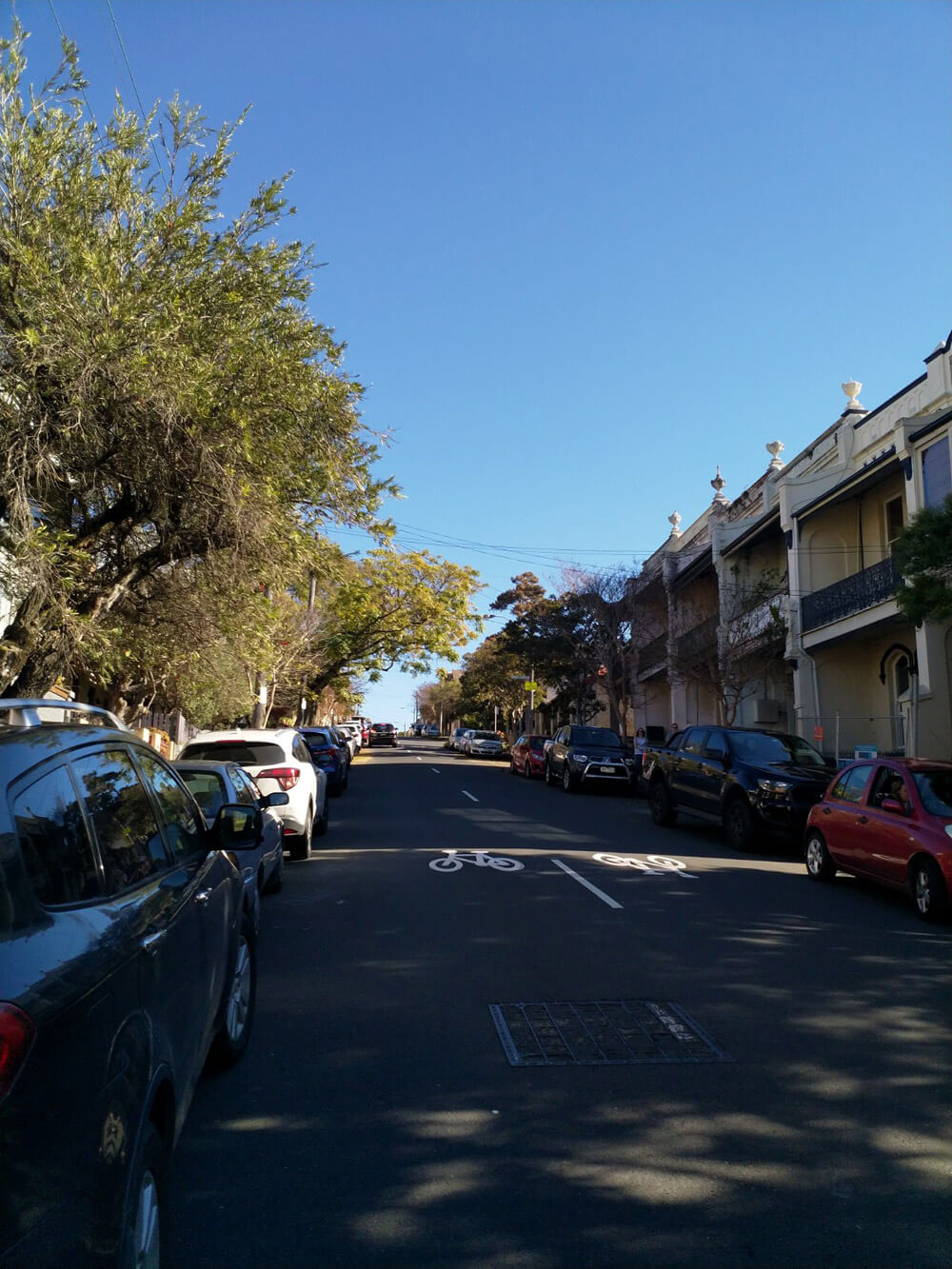
Balmain does otherwise tend to feel like something of a “gated community” though; not only due to its pricetag, but also for the slightly odd geographical position in which the suburb is based.
There’s only really one way in, there’s no heavy rail station, and its “nearest” light rail stop of Rozelle Bay isn’t located anywhere near enough to be of much use.
The ferry is a good option for direct CBD access for those who work close enough to the water or who can transfer to the rail network elsewhere, however while Balmain is well-serviced by buses they are prone to a clog at another one of Sydney’s worst roads in terms of congestion.
“Dotted with palm trees and featuring a pleasant and upbeat main thoroughfare, there’s plenty here to draw in visitors for a day trip.”
Victoria Road has long been one of Sydney’s chokepoints for morning and afternoon traffic, and those poor souls who must grapple with the commute over the Anzac Bridge deserve a medal for perseverance on a daily basis.
The addition of the WestConnex tunnels were intended to alleviate this traffic flow somewhat, but the implementation of these has been awkward and don’t exactly benefit locals to Balmain that much by their very nature anyway.
As a result, unless you happen to be working right nearby or are happy to sit in traffic for an excessive amount of time a day, the suburb will likely instantly lose a little of its shine – especially given the price of entry you’re paying for it in the first place.
Demographic-wise it’s largely dominated by well-heeled older couples who have been in the area a long time (with a suburb median age of 42, several years older than the Aussie baseline), with a slight air of protectionism about, and as a result Balmain isn’t exactly as much of a drawcard for younger visitors as some other more accessible Sydney hotspots.
However its bar/pub scene is still lively enough to offer younger revellers some quality spots for spending an evening for those willing to make the effort, and its pubs themselves do still undeniably ooze character.
Balmain is also remarkably quite safe crime-wise given its high quantity of watering holes; its 0.10% crime rate per capita puts it around the middle of the pack in Sydney, which is pretty impressive considering where alcohol typically flows, crime rates tend to go up. Balmain being an exception to this trend speaks in favour of the restraint by the demographics it contains.
The Verdict
In many ways, Balmain is a slice of what “Sydney life” probably originally aspired to be; it’s got plenty going for it and is an excellent spot for a day trip on the weekends with its mix of views, nature, stores and dining.
But the modern inconveniences of central Sydney life layered over the top of this perfect picture – cost, time, congestion – make it something like an expensive classical painting that is fraying at the edges slightly.
It’s a bit of a shame, as otherwise it could be argued that this is probably the best overall suburb in inner Sydney. Unlike many other high-end Sydney suburbs, Balmain simply has a wonderful character that the rest lack, and has far more going for it in this regard than many of the more generic & sterile wealthy suburbs elsewhere in the city.
If you can afford it and don’t mind dealing with the road situation, then Balmain delivers positive aspects in spades. It’s just that that combination applies to an increasingly limited group of people in the present day that most will be forced to look elsewhere.


